Buy schornsteinfeger.info ?
We are moving the project
schornsteinfeger.info .
Are you interested in purchasing the domain
schornsteinfeger.info ?
domain@kv-gmbh.de · 0541-91531010
Buy schornsteinfeger.info ?
When are receptors formed?
Receptors are formed during early development in the womb. They are essential proteins that are embedded in cell membranes and play a crucial role in transmitting signals from the external environment to the inside of the cell. The formation of receptors is a complex process that involves specific genetic instructions and protein synthesis. Once formed, receptors continue to be expressed and regulated throughout an individual's life to ensure proper cellular communication and function. **
What are hormone receptors?
Hormone receptors are proteins located on the surface or within the cells of target tissues that are capable of binding to specific hormones. When a hormone binds to its receptor, it triggers a series of cellular responses that ultimately lead to changes in gene expression, cell function, or metabolism. Hormone receptors are crucial for the regulation of various physiological processes in the body, including growth, metabolism, and reproduction. Different types of hormones, such as steroid hormones, thyroid hormones, and peptide hormones, have specific receptors that they bind to in order to exert their effects on target cells. **

Similar search terms for Receptors
Top-Angebote
Products related to Receptors:
-
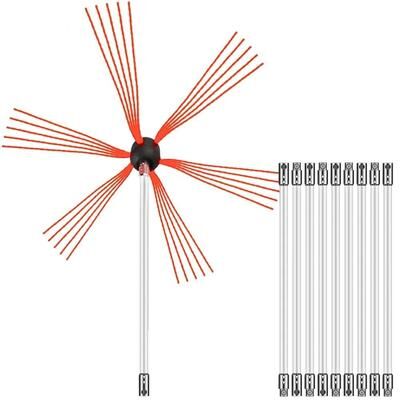
Multicon Wholesale Hub Chimney Sweep Kit Professional Chimney Cleaning Brush Set For Homeowners & Professionals Chimney Sweep Kit Professional Chimney Cleaning Brush Set For Homeowners & ProfessionalsLooking to keep your chimney clean and safe with minimal effort This 23FT(276in)approx Chimney Sweep Kit is your solution! Designed for both DIY homeowners and chimney maintenance professionals, this comprehensive cleaning kit offers a simple and...99,97 $*Shipping: 0,00 $Secure redirect to the provider
-
Tools, Home & Hobby 39 Ft Rotary Chimney Sweep Kit With Flexible Nylon Rods & 360 Chimney Cleaning Brush 39 Ft Rotary Chimney Sweep Kit With Flexible Nylon Rods & 360 Chimney Cleaning BrushKeep your fireplace performing at its best with this chimney sweep kit designed to make routine maintenance faster, safer, and more effective. Whether you're a homeowner, cabin owner, or DIY enthusiast, this rotary chimney cleaning kit removes...119,97 $*Shipping: 0,00 $Secure redirect to the provider
-
Tools, Home & Hobby 30 Ft Chimney Sweep Kit With Flexible Nylon Rods And 360 Chimney Cleaning Brush 30 Ft Chimney Sweep Kit With Flexible Nylon Rods And 360 Chimney Cleaning BrushExperience a cleaner, safer fireplace without the expense of frequent professional maintenance. This chimney cleaning brush kit is designed for homeowners who want an efficient way to remove soot and creosote while helping improve fireplace...119,97 $*Shipping: 0,00 $Secure redirect to the provider
-
Tools, Home & Hobby 26FT Chimney Sweep Kit With Rotary Chimney Brush & Flexible Nylon Rods For Fireplace Cleaning 26FT Chimney Sweep Kit With Rotary Chimney Brush & Flexible Nylon Rods For Fireplace CleaningKeep your fireplace burning cleaner, safer, and more efficiently with this chimney sweep kit designed for hasslefree home maintenance. Whether you're a homeowner, cabin owner, or wood stove enthusiast, this chimney cleaning kit helps remove soot and...124,97 $*Shipping: 0,00 $Secure redirect to the provider




-
Are receptors sensory cells?
Receptors are not sensory cells themselves, but they are specialized proteins located on the surface of sensory cells. These receptors are responsible for detecting and responding to specific stimuli, such as light, sound, taste, or smell. When a receptor is activated by a stimulus, it triggers a series of biochemical reactions within the sensory cell, ultimately leading to the generation of a sensory signal that can be transmitted to the brain for processing. Therefore, while receptors are not sensory cells, they play a crucial role in the sensory process by detecting and transducing stimuli into neural signals. **
-
Do organs have pain receptors?
No, organs themselves do not have pain receptors. Pain receptors, also known as nociceptors, are specialized nerve cells that detect tissue damage and send signals to the brain to indicate pain. While organs do not have pain receptors, the tissues surrounding organs, such as the lining of the abdomen or chest, can contain nociceptors and can transmit pain signals if they are damaged or inflamed. **
-
Why are there 1 million receptors per cm2 if there are 100,000 receptors per cm2?
There may be 1 million receptors per cm2 if there are 100,000 receptors per cm2 because the receptors may be densely packed together, allowing for more receptors to fit within the same area. Additionally, having a higher density of receptors may increase the sensitivity and efficiency of the sensory system in detecting and responding to stimuli. This high density of receptors may be particularly important in areas of the body that require a high level of sensitivity, such as the fingertips or the tongue. **
-
Which medications block the nicotine receptors?
Medications such as varenicline (Chantix) and bupropion (Zyban) are known to block nicotine receptors in the brain. By blocking these receptors, these medications reduce the pleasurable effects of nicotine, making it easier for individuals to quit smoking. These medications are often used as part of a comprehensive smoking cessation program to help individuals overcome their addiction to nicotine. **


Do Zolpidem and/or Benzodiazepines affect dopamine receptors?
Zolpidem and benzodiazepines primarily act on the GABA-A receptors in the brain, which are involved in the regulation of anxiety and sleep. While they do not directly affect dopamine receptors, they can indirectly influence dopamine levels in the brain by modulating the activity of other neurotransmitter systems. For example, benzodiazepines have been shown to indirectly affect dopamine release in certain brain regions. However, their primary mechanism of action is not through direct interaction with dopamine receptors. **
What happens in neurology when receptors are blocked?
When receptors are blocked in neurology, it can lead to a decrease in the transmission of signals between neurons. This can result in a reduction in the activity of the affected neural pathways, leading to a variety of effects depending on the specific receptors and pathways involved. For example, blocking certain receptors in the brain can lead to decreased pain perception, reduced anxiety, or impaired motor function. In some cases, blocking receptors can also lead to compensatory changes in the nervous system, as the body attempts to restore balance in the face of reduced receptor activity. **
Top-Angebote
Products related to Receptors:
-
Tools, Home & Hobby Chimney Sweep Kit 30 Ft Chimney Cleaning Kit With Flexible Rods, Chimney Brush & Safety Goggles Chimney Sweep Kit 30 Ft Chimney Cleaning Kit With Flexible Rods, Chimney Brush & Safety GogglesExperience a cleaner, safer fireplace without the hassle or expense of professional cleaning. This chimney cleaning kit is designed for homeowners who want an efficient way to remove soot, creosote, and debris while helping improve fireplace...139,97 $*Shipping: 0,00 $Secure redirect to the provider
-
Tools, Home & Hobby Chimney Sweep Kit 33FT Flexible Chimney Cleaning Kit With Drill Powered Chimney Brush Chimney Sweep Kit 33FT Flexible Chimney Cleaning Kit With Drill Powered Chimney BrushA clean chimney means a safer, warmer home and greater peace of mind every time you light a fire. This chimney cleaning kit is designed for homeowners, wood stove users, and fireplace owners who want an easier way to remove soot and creosote buildup...149,97 $*Shipping: 0,00 $Secure redirect to the provider
-
Multicon Wholesale Hub Chimney Sweep Kit Professional Chimney Cleaning Brush Set For Homeowners & Professionals Chimney Sweep Kit Professional Chimney Cleaning Brush Set For Homeowners & ProfessionalsLooking to keep your chimney clean and safe with minimal effort This 23FT(276in)approx Chimney Sweep Kit is your solution! Designed for both DIY homeowners and chimney maintenance professionals, this comprehensive cleaning kit offers a simple and...99,97 $*Shipping: 0,00 $Secure redirect to the provider
-
Tools, Home & Hobby 39 Ft Rotary Chimney Sweep Kit With Flexible Nylon Rods & 360 Chimney Cleaning Brush 39 Ft Rotary Chimney Sweep Kit With Flexible Nylon Rods & 360 Chimney Cleaning BrushKeep your fireplace performing at its best with this chimney sweep kit designed to make routine maintenance faster, safer, and more effective. Whether you're a homeowner, cabin owner, or DIY enthusiast, this rotary chimney cleaning kit removes...119,97 $*Shipping: 0,00 $Secure redirect to the provider
-
When are receptors formed?
Receptors are formed during early development in the womb. They are essential proteins that are embedded in cell membranes and play a crucial role in transmitting signals from the external environment to the inside of the cell. The formation of receptors is a complex process that involves specific genetic instructions and protein synthesis. Once formed, receptors continue to be expressed and regulated throughout an individual's life to ensure proper cellular communication and function. **
-
What are hormone receptors?
Hormone receptors are proteins located on the surface or within the cells of target tissues that are capable of binding to specific hormones. When a hormone binds to its receptor, it triggers a series of cellular responses that ultimately lead to changes in gene expression, cell function, or metabolism. Hormone receptors are crucial for the regulation of various physiological processes in the body, including growth, metabolism, and reproduction. Different types of hormones, such as steroid hormones, thyroid hormones, and peptide hormones, have specific receptors that they bind to in order to exert their effects on target cells. **
-
Are receptors sensory cells?
Receptors are not sensory cells themselves, but they are specialized proteins located on the surface of sensory cells. These receptors are responsible for detecting and responding to specific stimuli, such as light, sound, taste, or smell. When a receptor is activated by a stimulus, it triggers a series of biochemical reactions within the sensory cell, ultimately leading to the generation of a sensory signal that can be transmitted to the brain for processing. Therefore, while receptors are not sensory cells, they play a crucial role in the sensory process by detecting and transducing stimuli into neural signals. **
-
Do organs have pain receptors?
No, organs themselves do not have pain receptors. Pain receptors, also known as nociceptors, are specialized nerve cells that detect tissue damage and send signals to the brain to indicate pain. While organs do not have pain receptors, the tissues surrounding organs, such as the lining of the abdomen or chest, can contain nociceptors and can transmit pain signals if they are damaged or inflamed. **
Similar search terms for Receptors
-
Tools, Home & Hobby 30 Ft Chimney Sweep Kit With Flexible Nylon Rods And 360 Chimney Cleaning Brush 30 Ft Chimney Sweep Kit With Flexible Nylon Rods And 360 Chimney Cleaning BrushExperience a cleaner, safer fireplace without the expense of frequent professional maintenance. This chimney cleaning brush kit is designed for homeowners who want an efficient way to remove soot and creosote while helping improve fireplace...119,97 $*Shipping: 0,00 $Secure redirect to the provider
-
Tools, Home & Hobby 26FT Chimney Sweep Kit With Rotary Chimney Brush & Flexible Nylon Rods For Fireplace Cleaning 26FT Chimney Sweep Kit With Rotary Chimney Brush & Flexible Nylon Rods For Fireplace CleaningKeep your fireplace burning cleaner, safer, and more efficiently with this chimney sweep kit designed for hasslefree home maintenance. Whether you're a homeowner, cabin owner, or wood stove enthusiast, this chimney cleaning kit helps remove soot and...124,97 $*Shipping: 0,00 $Secure redirect to the provider
-
Perfect Picks Market Flexible Chimney Sweep Kit With Rotary Chimney Cleaning Brush & Flexible Rods For Fireplace Flue Cleaning 1 SetExperience the confidence of a cleaner, safer fireplace with a reliable tool built to tackle stubborn soot and creosote. This chimney cleaning brush kit is designed for homeowners who want an easy, effective way to maintain their chimney without...41,97 $*Shipping: 0,00 $Secure redirect to the provider
-
Tools, Home & Hobby Chimney Sweep Kit 23 Ft Extendable Chimney Brush With Dual Heads For Safe Fireplace Cleaning Chimney Sweep Kit 23 Ft Extendable Chimney Brush With Dual Heads For Safe Fireplace CleaningEnjoy a cleaner, safer fireplace and greater peace of mind with a Chimney Sweep Kit designed to make routine maintenance faster and easier. Built for homeowners, cabin owners, and fireplace enthusiasts, this versatile Chimney Brush reaches deep into...129,97 $*Shipping: 0,00 $Secure redirect to the provider
-
Why are there 1 million receptors per cm2 if there are 100,000 receptors per cm2?
There may be 1 million receptors per cm2 if there are 100,000 receptors per cm2 because the receptors may be densely packed together, allowing for more receptors to fit within the same area. Additionally, having a higher density of receptors may increase the sensitivity and efficiency of the sensory system in detecting and responding to stimuli. This high density of receptors may be particularly important in areas of the body that require a high level of sensitivity, such as the fingertips or the tongue. **
-
Which medications block the nicotine receptors?
Medications such as varenicline (Chantix) and bupropion (Zyban) are known to block nicotine receptors in the brain. By blocking these receptors, these medications reduce the pleasurable effects of nicotine, making it easier for individuals to quit smoking. These medications are often used as part of a comprehensive smoking cessation program to help individuals overcome their addiction to nicotine. **
-
Do Zolpidem and/or Benzodiazepines affect dopamine receptors?
Zolpidem and benzodiazepines primarily act on the GABA-A receptors in the brain, which are involved in the regulation of anxiety and sleep. While they do not directly affect dopamine receptors, they can indirectly influence dopamine levels in the brain by modulating the activity of other neurotransmitter systems. For example, benzodiazepines have been shown to indirectly affect dopamine release in certain brain regions. However, their primary mechanism of action is not through direct interaction with dopamine receptors. **
-
What happens in neurology when receptors are blocked?
When receptors are blocked in neurology, it can lead to a decrease in the transmission of signals between neurons. This can result in a reduction in the activity of the affected neural pathways, leading to a variety of effects depending on the specific receptors and pathways involved. For example, blocking certain receptors in the brain can lead to decreased pain perception, reduced anxiety, or impaired motor function. In some cases, blocking receptors can also lead to compensatory changes in the nervous system, as the body attempts to restore balance in the face of reduced receptor activity. **
* All prices are inclusive of VAT and, if applicable, plus shipping costs. The offer information is based on the details provided by the respective shop and is updated through automated processes. Real-time updates do not occur, so deviations can occur in individual cases. ** Note: Parts of this content were created by AI.