Buy schornsteinfeger.info ?
We are moving the project
schornsteinfeger.info .
Are you interested in purchasing the domain
schornsteinfeger.info ?
domain@kv-gmbh.de · 0541-91531010
Buy schornsteinfeger.info ?
Will archaeologists?
Will archaeologists continue to uncover new discoveries and expand our understanding of ancient civilizations? Yes, archaeologists will likely continue to make new discoveries as technology advances and more sites are explored. By studying these findings, archaeologists can provide valuable insights into the past and help us piece together the puzzle of human history. Their work is crucial in preserving and interpreting our cultural heritage for future generations. **
What tools do archaeologists use?
Archaeologists use a variety of tools to excavate, analyze, and interpret artifacts and sites. Some common tools include trowels for digging, brushes for delicate cleaning, sieves for sifting through soil, and measuring tapes for mapping out the site. They also use technology such as ground-penetrating radar, 3D scanners, and drones to aid in their research and documentation. Additionally, archaeologists may use laboratory equipment like microscopes, X-ray machines, and carbon dating techniques to analyze and date artifacts. **

Similar search terms for Archaeologists
Top-Angebote
Products related to Archaeologists:
-
Multicon Wholesale Hub Chimney Sweep Kit Professional Chimney Cleaning Brush Set For Homeowners & Professionals Chimney Sweep Kit Professional Chimney Cleaning Brush Set For Homeowners & ProfessionalsLooking to keep your chimney clean and safe with minimal effort This 23FT(276in)approx Chimney Sweep Kit is your solution! Designed for both DIY homeowners and chimney maintenance professionals, this comprehensive cleaning kit offers a simple and...99,97 $*Shipping: 0,00 $Secure redirect to the provider
-
Tools, Home & Hobby 30 Ft Chimney Sweep Kit With Flexible Nylon Rods And 360 Chimney Cleaning Brush 30 Ft Chimney Sweep Kit With Flexible Nylon Rods And 360 Chimney Cleaning BrushExperience a cleaner, safer fireplace without the expense of frequent professional maintenance. This chimney cleaning brush kit is designed for homeowners who want an efficient way to remove soot and creosote while helping improve fireplace...119,97 $*Shipping: 0,00 $Secure redirect to the provider
-
Tools, Home & Hobby 26FT Chimney Sweep Kit With Rotary Chimney Brush & Flexible Nylon Rods For Fireplace Cleaning 26FT Chimney Sweep Kit With Rotary Chimney Brush & Flexible Nylon Rods For Fireplace CleaningKeep your fireplace burning cleaner, safer, and more efficiently with this chimney sweep kit designed for hasslefree home maintenance. Whether you're a homeowner, cabin owner, or wood stove enthusiast, this chimney cleaning kit helps remove soot and...124,97 $*Shipping: 0,00 $Secure redirect to the provider
-
Tools, Home & Hobby 39 Ft Rotary Chimney Sweep Kit With Flexible Nylon Rods & 360 Chimney Cleaning Brush 39 Ft Rotary Chimney Sweep Kit With Flexible Nylon Rods & 360 Chimney Cleaning BrushKeep your fireplace performing at its best with this chimney sweep kit designed to make routine maintenance faster, safer, and more effective. Whether you're a homeowner, cabin owner, or DIY enthusiast, this rotary chimney cleaning kit removes...119,97 $*Shipping: 0,00 $Secure redirect to the provider
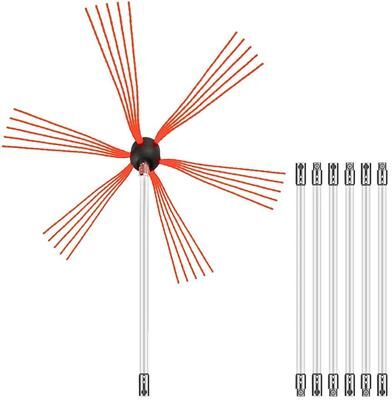
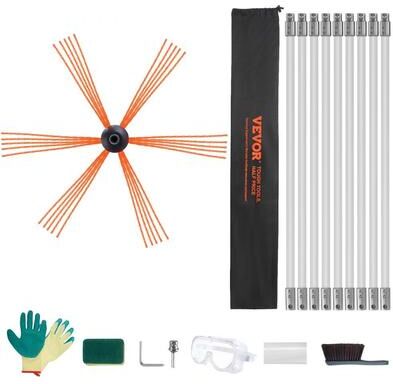


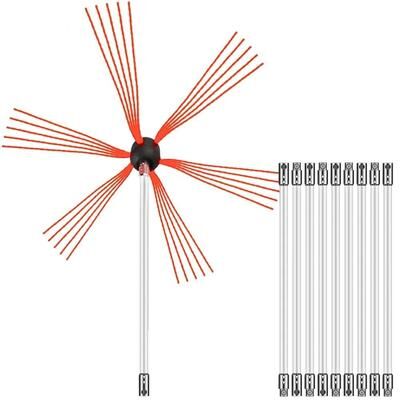
-
Which tools do archaeologists use?
Archaeologists use a variety of tools to excavate, analyze, and interpret artifacts and sites. Some common tools include trowels for digging, brushes for delicate cleaning, measuring tapes and levels for mapping, and sifters for sorting through soil. They also use technology such as ground-penetrating radar, drones, and 3D scanners to aid in their research and documentation. Additionally, laboratory equipment like microscopes, X-ray machines, and carbon dating techniques are used to analyze and date artifacts. **
-
Do archaeologists count as historians?
Archaeologists and historians both study the past, but they do so in different ways. Historians primarily rely on written records and documents to understand and interpret historical events, while archaeologists study material remains such as artifacts, structures, and human remains to reconstruct and understand past societies. While archaeologists do contribute to our understanding of history, they are not typically considered historians in the traditional sense. However, their work often complements and enriches the historical record, providing valuable insights into the lives and cultures of past societies. **
-
What specialization do archaeologists specialize in?
Archaeologists specialize in the study of human history and prehistory through the excavation and analysis of artifacts, structures, and other physical remains. They may focus on specific time periods, regions, or cultures, such as ancient Egypt, the Roman Empire, or pre-Columbian America. Some archaeologists also specialize in specific methods of analysis, such as DNA testing or remote sensing technology. Overall, archaeologists work to uncover and interpret the material culture of past societies in order to understand human behavior and development over time. **
-
From when are grave robbers considered archaeologists?
Grave robbers are considered archaeologists when they follow ethical guidelines and scientific methods in their excavation of burial sites. This includes obtaining proper permits, documenting their findings, and preserving artifacts for study and public education. Archaeologists are trained professionals who work within legal and ethical frameworks to uncover and interpret the past, while grave robbers engage in illegal and destructive activities for personal gain. The distinction between the two lies in their approach to excavation and their commitment to preserving cultural heritage. **


How many languages do archaeologists typically learn?
Archaeologists typically learn multiple languages in order to conduct their research effectively. The exact number of languages can vary depending on the region and time period they are studying, but it is common for archaeologists to be proficient in at least two or three languages relevant to their area of focus. This may include ancient languages, modern languages spoken in the region, and academic languages used in the field of archaeology. Overall, the ability to understand and communicate in multiple languages is an important skill for archaeologists to have in order to access and interpret a wide range of sources and materials. **
What are the job prospects for archaeologists like?
Job prospects for archaeologists can vary depending on factors such as location, experience, and specialization. Overall, the job market for archaeologists is competitive, with a limited number of positions available in academia, government agencies, museums, and cultural resource management firms. Those with advanced degrees and field experience may have better job prospects, especially in areas with high demand for archaeological research and preservation. Networking, gaining practical skills, and staying current with developments in the field can also improve job opportunities for archaeologists. **
Top-Angebote
Products related to Archaeologists:
-
Tools, Home & Hobby Chimney Sweep Kit 30 Ft Chimney Cleaning Kit With Flexible Rods, Chimney Brush & Safety Goggles Chimney Sweep Kit 30 Ft Chimney Cleaning Kit With Flexible Rods, Chimney Brush & Safety GogglesExperience a cleaner, safer fireplace without the hassle or expense of professional cleaning. This chimney cleaning kit is designed for homeowners who want an efficient way to remove soot, creosote, and debris while helping improve fireplace...139,97 $*Shipping: 0,00 $Secure redirect to the provider
-
Tools, Home & Hobby Chimney Sweep Kit 33FT Flexible Chimney Cleaning Kit With Drill Powered Chimney Brush Chimney Sweep Kit 33FT Flexible Chimney Cleaning Kit With Drill Powered Chimney BrushA clean chimney means a safer, warmer home and greater peace of mind every time you light a fire. This chimney cleaning kit is designed for homeowners, wood stove users, and fireplace owners who want an easier way to remove soot and creosote buildup...149,97 $*Shipping: 0,00 $Secure redirect to the provider
-
Multicon Wholesale Hub Chimney Sweep Kit Professional Chimney Cleaning Brush Set For Homeowners & Professionals Chimney Sweep Kit Professional Chimney Cleaning Brush Set For Homeowners & ProfessionalsLooking to keep your chimney clean and safe with minimal effort This 23FT(276in)approx Chimney Sweep Kit is your solution! Designed for both DIY homeowners and chimney maintenance professionals, this comprehensive cleaning kit offers a simple and...99,97 $*Shipping: 0,00 $Secure redirect to the provider
-
Tools, Home & Hobby 30 Ft Chimney Sweep Kit With Flexible Nylon Rods And 360 Chimney Cleaning Brush 30 Ft Chimney Sweep Kit With Flexible Nylon Rods And 360 Chimney Cleaning BrushExperience a cleaner, safer fireplace without the expense of frequent professional maintenance. This chimney cleaning brush kit is designed for homeowners who want an efficient way to remove soot and creosote while helping improve fireplace...119,97 $*Shipping: 0,00 $Secure redirect to the provider
-
Will archaeologists?
Will archaeologists continue to uncover new discoveries and expand our understanding of ancient civilizations? Yes, archaeologists will likely continue to make new discoveries as technology advances and more sites are explored. By studying these findings, archaeologists can provide valuable insights into the past and help us piece together the puzzle of human history. Their work is crucial in preserving and interpreting our cultural heritage for future generations. **
-
What tools do archaeologists use?
Archaeologists use a variety of tools to excavate, analyze, and interpret artifacts and sites. Some common tools include trowels for digging, brushes for delicate cleaning, sieves for sifting through soil, and measuring tapes for mapping out the site. They also use technology such as ground-penetrating radar, 3D scanners, and drones to aid in their research and documentation. Additionally, archaeologists may use laboratory equipment like microscopes, X-ray machines, and carbon dating techniques to analyze and date artifacts. **
-
Which tools do archaeologists use?
Archaeologists use a variety of tools to excavate, analyze, and interpret artifacts and sites. Some common tools include trowels for digging, brushes for delicate cleaning, measuring tapes and levels for mapping, and sifters for sorting through soil. They also use technology such as ground-penetrating radar, drones, and 3D scanners to aid in their research and documentation. Additionally, laboratory equipment like microscopes, X-ray machines, and carbon dating techniques are used to analyze and date artifacts. **
-
Do archaeologists count as historians?
Archaeologists and historians both study the past, but they do so in different ways. Historians primarily rely on written records and documents to understand and interpret historical events, while archaeologists study material remains such as artifacts, structures, and human remains to reconstruct and understand past societies. While archaeologists do contribute to our understanding of history, they are not typically considered historians in the traditional sense. However, their work often complements and enriches the historical record, providing valuable insights into the lives and cultures of past societies. **
Similar search terms for Archaeologists
-
Tools, Home & Hobby 26FT Chimney Sweep Kit With Rotary Chimney Brush & Flexible Nylon Rods For Fireplace Cleaning 26FT Chimney Sweep Kit With Rotary Chimney Brush & Flexible Nylon Rods For Fireplace CleaningKeep your fireplace burning cleaner, safer, and more efficiently with this chimney sweep kit designed for hasslefree home maintenance. Whether you're a homeowner, cabin owner, or wood stove enthusiast, this chimney cleaning kit helps remove soot and...124,97 $*Shipping: 0,00 $Secure redirect to the provider
-
Tools, Home & Hobby 39 Ft Rotary Chimney Sweep Kit With Flexible Nylon Rods & 360 Chimney Cleaning Brush 39 Ft Rotary Chimney Sweep Kit With Flexible Nylon Rods & 360 Chimney Cleaning BrushKeep your fireplace performing at its best with this chimney sweep kit designed to make routine maintenance faster, safer, and more effective. Whether you're a homeowner, cabin owner, or DIY enthusiast, this rotary chimney cleaning kit removes...119,97 $*Shipping: 0,00 $Secure redirect to the provider
-
Perfect Picks Market Flexible Chimney Sweep Kit With Rotary Chimney Cleaning Brush & Flexible Rods For Fireplace Flue Cleaning 1 SetExperience the confidence of a cleaner, safer fireplace with a reliable tool built to tackle stubborn soot and creosote. This chimney cleaning brush kit is designed for homeowners who want an easy, effective way to maintain their chimney without...41,97 $*Shipping: 0,00 $Secure redirect to the provider
-
Tools, Home & Hobby Chimney Sweep Kit 20FT Rotary Chimney Cleaning Kit With Flexible Nylon Rods For Fireplace Flues Chimney Sweep Kit 20FT Rotary Chimney Cleaning Kit With Flexible Nylon Rods For Fireplace FluesClean your chimney with confidence and enjoy a safer, more efficient fireplace season. This chimney sweep kit is designed for homeowners, wood stove users, and DIY maintenance enthusiasts who want an easier way to remove soot and creosote without...109,97 $*Shipping: 0,00 $Secure redirect to the provider
-
What specialization do archaeologists specialize in?
Archaeologists specialize in the study of human history and prehistory through the excavation and analysis of artifacts, structures, and other physical remains. They may focus on specific time periods, regions, or cultures, such as ancient Egypt, the Roman Empire, or pre-Columbian America. Some archaeologists also specialize in specific methods of analysis, such as DNA testing or remote sensing technology. Overall, archaeologists work to uncover and interpret the material culture of past societies in order to understand human behavior and development over time. **
-
From when are grave robbers considered archaeologists?
Grave robbers are considered archaeologists when they follow ethical guidelines and scientific methods in their excavation of burial sites. This includes obtaining proper permits, documenting their findings, and preserving artifacts for study and public education. Archaeologists are trained professionals who work within legal and ethical frameworks to uncover and interpret the past, while grave robbers engage in illegal and destructive activities for personal gain. The distinction between the two lies in their approach to excavation and their commitment to preserving cultural heritage. **
-
How many languages do archaeologists typically learn?
Archaeologists typically learn multiple languages in order to conduct their research effectively. The exact number of languages can vary depending on the region and time period they are studying, but it is common for archaeologists to be proficient in at least two or three languages relevant to their area of focus. This may include ancient languages, modern languages spoken in the region, and academic languages used in the field of archaeology. Overall, the ability to understand and communicate in multiple languages is an important skill for archaeologists to have in order to access and interpret a wide range of sources and materials. **
-
What are the job prospects for archaeologists like?
Job prospects for archaeologists can vary depending on factors such as location, experience, and specialization. Overall, the job market for archaeologists is competitive, with a limited number of positions available in academia, government agencies, museums, and cultural resource management firms. Those with advanced degrees and field experience may have better job prospects, especially in areas with high demand for archaeological research and preservation. Networking, gaining practical skills, and staying current with developments in the field can also improve job opportunities for archaeologists. **
* All prices are inclusive of VAT and, if applicable, plus shipping costs. The offer information is based on the details provided by the respective shop and is updated through automated processes. Real-time updates do not occur, so deviations can occur in individual cases. ** Note: Parts of this content were created by AI.