Buy schornsteinfeger.info ?
We are moving the project
schornsteinfeger.info .
Are you interested in purchasing the domain
schornsteinfeger.info ?
domain@kv-gmbh.de · 0541-91531010
Buy schornsteinfeger.info ?
What is the lack of normative character?
The lack of normative character refers to a situation where something does not conform to established norms or standards. It can indicate a deviation from what is considered typical or acceptable behavior within a particular context. This lack of normative character can lead to confusion, conflict, or criticism as it goes against the expected or desired norms of a society or group. In essence, it signifies a departure from the normative expectations or guidelines that are commonly upheld. **
What is the difference between descriptive and normative ethics?
Descriptive ethics is the study of what people believe to be right or wrong, without making judgments about those beliefs. It describes the moral beliefs and practices of individuals or groups. On the other hand, normative ethics is concerned with determining what is morally right or wrong, good or bad. It seeks to establish ethical principles or theories that can guide individuals in making moral decisions. In essence, descriptive ethics describes existing moral beliefs, while normative ethics prescribes what ought to be considered morally right or wrong. **

Similar search terms for Normative
Top-Angebote
Products related to Normative:
-
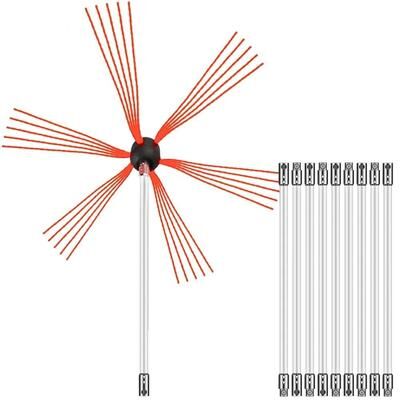
Multicon Wholesale Hub Chimney Sweep Kit Professional Chimney Cleaning Brush Set For Homeowners & Professionals Chimney Sweep Kit Professional Chimney Cleaning Brush Set For Homeowners & ProfessionalsLooking to keep your chimney clean and safe with minimal effort This 23FT(276in)approx Chimney Sweep Kit is your solution! Designed for both DIY homeowners and chimney maintenance professionals, this comprehensive cleaning kit offers a simple and...99,97 $*Shipping: 0,00 $Secure redirect to the provider
-
Tools, Home & Hobby 30 Ft Chimney Sweep Kit With Flexible Nylon Rods And 360 Chimney Cleaning Brush 30 Ft Chimney Sweep Kit With Flexible Nylon Rods And 360 Chimney Cleaning BrushExperience a cleaner, safer fireplace without the expense of frequent professional maintenance. This chimney cleaning brush kit is designed for homeowners who want an efficient way to remove soot and creosote while helping improve fireplace...119,97 $*Shipping: 0,00 $Secure redirect to the provider
-
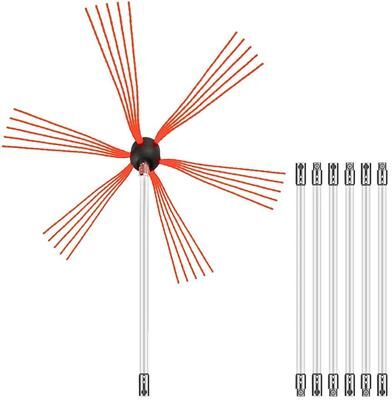
Tools, Home & Hobby 26FT Chimney Sweep Kit With Rotary Chimney Brush & Flexible Nylon Rods For Fireplace Cleaning 26FT Chimney Sweep Kit With Rotary Chimney Brush & Flexible Nylon Rods For Fireplace CleaningKeep your fireplace burning cleaner, safer, and more efficiently with this chimney sweep kit designed for hasslefree home maintenance. Whether you're a homeowner, cabin owner, or wood stove enthusiast, this chimney cleaning kit helps remove soot and...124,97 $*Shipping: 0,00 $Secure redirect to the provider
-
Tools, Home & Hobby 39 Ft Rotary Chimney Sweep Kit With Flexible Nylon Rods & 360 Chimney Cleaning Brush 39 Ft Rotary Chimney Sweep Kit With Flexible Nylon Rods & 360 Chimney Cleaning BrushKeep your fireplace performing at its best with this chimney sweep kit designed to make routine maintenance faster, safer, and more effective. Whether you're a homeowner, cabin owner, or DIY enthusiast, this rotary chimney cleaning kit removes...119,97 $*Shipping: 0,00 $Secure redirect to the provider



-
What is the difference between appellative, descriptive, and normative?
Appellative refers to names or labels that are used to identify or refer to something, such as a person or object. Descriptive refers to statements or judgments that describe the characteristics or qualities of something. Normative refers to statements or judgments that prescribe or dictate what should be done based on a standard or norm. In summary, appellative is about naming, descriptive is about describing, and normative is about prescribing or dictating behavior. **
-
What are authority arguments, factual arguments, and normative arguments?
Authority arguments are based on the expertise or credibility of the source making the argument. They rely on the reputation or qualifications of the person or organization presenting the information. Factual arguments are based on evidence, data, and verifiable information. They rely on the accuracy and truthfulness of the information presented to support a particular point of view. Normative arguments are based on values, beliefs, and moral principles. They rely on what is considered to be right or wrong, good or bad, and are often used to make ethical or moral judgments. **
-
How do you distinguish between normative and descriptive statements?
Normative statements express an opinion or value judgment about what should or ought to be. They are subjective and cannot be proven true or false. Descriptive statements, on the other hand, describe the way things are or the way things are believed to be. They are objective and can be tested and proven true or false through observation and evidence. In summary, normative statements express opinions about what should be, while descriptive statements describe what is. **
-
What are the differences between normative, descriptive, and evaluative linguistics?
Normative linguistics focuses on prescribing rules and standards for language use, often based on traditional grammar and usage. Descriptive linguistics, on the other hand, aims to objectively describe and analyze how language is actually used by speakers and how it functions in different contexts. Evaluative linguistics involves making judgments about language use and its effectiveness, often considering factors such as clarity, appropriateness, and impact. While normative linguistics sets rules, descriptive linguistics observes language use, and evaluative linguistics assesses language in use. **

What is the difference between a normative and a descriptive source?
A normative source provides guidance on how things should be or how people ought to behave based on values, beliefs, or principles. It offers recommendations for ideal or ethical behavior. On the other hand, a descriptive source simply describes how things are or how people actually behave without making judgments or recommendations. Descriptive sources focus on providing information and analysis of current practices or behaviors without prescribing any particular course of action. **
How do you distinguish normative and descriptive statements from each other?
Normative statements express an opinion or value judgment about what should or ought to be. They are prescriptive in nature and often involve moral or ethical considerations. Descriptive statements, on the other hand, describe the way things are or the way things are believed to be, without expressing any value judgment. They are based on empirical evidence and aim to provide an objective account of reality. Distinguishing between the two involves recognizing whether the statement is making a value judgment or simply describing a factual state of affairs. **
Top-Angebote
Products related to Normative:
-
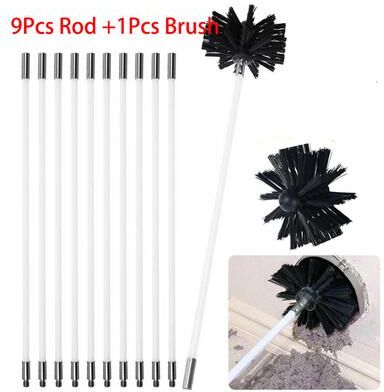
Tools, Home & Hobby Chimney Sweep Kit 30 Ft Chimney Cleaning Kit With Flexible Rods, Chimney Brush & Safety Goggles Chimney Sweep Kit 30 Ft Chimney Cleaning Kit With Flexible Rods, Chimney Brush & Safety GogglesExperience a cleaner, safer fireplace without the hassle or expense of professional cleaning. This chimney cleaning kit is designed for homeowners who want an efficient way to remove soot, creosote, and debris while helping improve fireplace...139,97 $*Shipping: 0,00 $Secure redirect to the provider
-
Tools, Home & Hobby Chimney Sweep Kit 33FT Flexible Chimney Cleaning Kit With Drill Powered Chimney Brush Chimney Sweep Kit 33FT Flexible Chimney Cleaning Kit With Drill Powered Chimney BrushA clean chimney means a safer, warmer home and greater peace of mind every time you light a fire. This chimney cleaning kit is designed for homeowners, wood stove users, and fireplace owners who want an easier way to remove soot and creosote buildup...149,97 $*Shipping: 0,00 $Secure redirect to the provider
-
Multicon Wholesale Hub Chimney Sweep Kit Professional Chimney Cleaning Brush Set For Homeowners & Professionals Chimney Sweep Kit Professional Chimney Cleaning Brush Set For Homeowners & ProfessionalsLooking to keep your chimney clean and safe with minimal effort This 23FT(276in)approx Chimney Sweep Kit is your solution! Designed for both DIY homeowners and chimney maintenance professionals, this comprehensive cleaning kit offers a simple and...99,97 $*Shipping: 0,00 $Secure redirect to the provider
-
Tools, Home & Hobby 30 Ft Chimney Sweep Kit With Flexible Nylon Rods And 360 Chimney Cleaning Brush 30 Ft Chimney Sweep Kit With Flexible Nylon Rods And 360 Chimney Cleaning BrushExperience a cleaner, safer fireplace without the expense of frequent professional maintenance. This chimney cleaning brush kit is designed for homeowners who want an efficient way to remove soot and creosote while helping improve fireplace...119,97 $*Shipping: 0,00 $Secure redirect to the provider
-
What is the lack of normative character?
The lack of normative character refers to a situation where something does not conform to established norms or standards. It can indicate a deviation from what is considered typical or acceptable behavior within a particular context. This lack of normative character can lead to confusion, conflict, or criticism as it goes against the expected or desired norms of a society or group. In essence, it signifies a departure from the normative expectations or guidelines that are commonly upheld. **
-
What is the difference between descriptive and normative ethics?
Descriptive ethics is the study of what people believe to be right or wrong, without making judgments about those beliefs. It describes the moral beliefs and practices of individuals or groups. On the other hand, normative ethics is concerned with determining what is morally right or wrong, good or bad. It seeks to establish ethical principles or theories that can guide individuals in making moral decisions. In essence, descriptive ethics describes existing moral beliefs, while normative ethics prescribes what ought to be considered morally right or wrong. **
-
What is the difference between appellative, descriptive, and normative?
Appellative refers to names or labels that are used to identify or refer to something, such as a person or object. Descriptive refers to statements or judgments that describe the characteristics or qualities of something. Normative refers to statements or judgments that prescribe or dictate what should be done based on a standard or norm. In summary, appellative is about naming, descriptive is about describing, and normative is about prescribing or dictating behavior. **
-
What are authority arguments, factual arguments, and normative arguments?
Authority arguments are based on the expertise or credibility of the source making the argument. They rely on the reputation or qualifications of the person or organization presenting the information. Factual arguments are based on evidence, data, and verifiable information. They rely on the accuracy and truthfulness of the information presented to support a particular point of view. Normative arguments are based on values, beliefs, and moral principles. They rely on what is considered to be right or wrong, good or bad, and are often used to make ethical or moral judgments. **
Similar search terms for Normative
-
Tools, Home & Hobby 26FT Chimney Sweep Kit With Rotary Chimney Brush & Flexible Nylon Rods For Fireplace Cleaning 26FT Chimney Sweep Kit With Rotary Chimney Brush & Flexible Nylon Rods For Fireplace CleaningKeep your fireplace burning cleaner, safer, and more efficiently with this chimney sweep kit designed for hasslefree home maintenance. Whether you're a homeowner, cabin owner, or wood stove enthusiast, this chimney cleaning kit helps remove soot and...124,97 $*Shipping: 0,00 $Secure redirect to the provider
-
Tools, Home & Hobby 39 Ft Rotary Chimney Sweep Kit With Flexible Nylon Rods & 360 Chimney Cleaning Brush 39 Ft Rotary Chimney Sweep Kit With Flexible Nylon Rods & 360 Chimney Cleaning BrushKeep your fireplace performing at its best with this chimney sweep kit designed to make routine maintenance faster, safer, and more effective. Whether you're a homeowner, cabin owner, or DIY enthusiast, this rotary chimney cleaning kit removes...119,97 $*Shipping: 0,00 $Secure redirect to the provider
-
Perfect Picks Market Flexible Chimney Sweep Kit With Rotary Chimney Cleaning Brush & Flexible Rods For Fireplace Flue Cleaning 1 SetExperience the confidence of a cleaner, safer fireplace with a reliable tool built to tackle stubborn soot and creosote. This chimney cleaning brush kit is designed for homeowners who want an easy, effective way to maintain their chimney without...41,97 $*Shipping: 0,00 $Secure redirect to the provider
-
Tools, Home & Hobby Chimney Sweep Kit 20FT Rotary Chimney Cleaning Kit With Flexible Nylon Rods For Fireplace Flues Chimney Sweep Kit 20FT Rotary Chimney Cleaning Kit With Flexible Nylon Rods For Fireplace FluesClean your chimney with confidence and enjoy a safer, more efficient fireplace season. This chimney sweep kit is designed for homeowners, wood stove users, and DIY maintenance enthusiasts who want an easier way to remove soot and creosote without...109,97 $*Shipping: 0,00 $Secure redirect to the provider
-
How do you distinguish between normative and descriptive statements?
Normative statements express an opinion or value judgment about what should or ought to be. They are subjective and cannot be proven true or false. Descriptive statements, on the other hand, describe the way things are or the way things are believed to be. They are objective and can be tested and proven true or false through observation and evidence. In summary, normative statements express opinions about what should be, while descriptive statements describe what is. **
-
What are the differences between normative, descriptive, and evaluative linguistics?
Normative linguistics focuses on prescribing rules and standards for language use, often based on traditional grammar and usage. Descriptive linguistics, on the other hand, aims to objectively describe and analyze how language is actually used by speakers and how it functions in different contexts. Evaluative linguistics involves making judgments about language use and its effectiveness, often considering factors such as clarity, appropriateness, and impact. While normative linguistics sets rules, descriptive linguistics observes language use, and evaluative linguistics assesses language in use. **
-
What is the difference between a normative and a descriptive source?
A normative source provides guidance on how things should be or how people ought to behave based on values, beliefs, or principles. It offers recommendations for ideal or ethical behavior. On the other hand, a descriptive source simply describes how things are or how people actually behave without making judgments or recommendations. Descriptive sources focus on providing information and analysis of current practices or behaviors without prescribing any particular course of action. **
-
How do you distinguish normative and descriptive statements from each other?
Normative statements express an opinion or value judgment about what should or ought to be. They are prescriptive in nature and often involve moral or ethical considerations. Descriptive statements, on the other hand, describe the way things are or the way things are believed to be, without expressing any value judgment. They are based on empirical evidence and aim to provide an objective account of reality. Distinguishing between the two involves recognizing whether the statement is making a value judgment or simply describing a factual state of affairs. **
* All prices are inclusive of VAT and, if applicable, plus shipping costs. The offer information is based on the details provided by the respective shop and is updated through automated processes. Real-time updates do not occur, so deviations can occur in individual cases. ** Note: Parts of this content were created by AI.