Buy schornsteinfeger.info ?
We are moving the project
schornsteinfeger.info .
Are you interested in purchasing the domain
schornsteinfeger.info ?
domain@kv-gmbh.de · 0541-91531010
Buy schornsteinfeger.info ?
Can one mix the passé composé and the passé simple in a story?
Yes, it is possible to mix the passé composé and the passé simple in a story. The passé composé is commonly used in spoken French and in modern literature to express actions that are completed in the past, while the passé simple is used in formal writing to narrate specific events or actions that occurred in the past. Mixing these two tenses can add complexity and depth to a story, creating a more dynamic and engaging narrative. However, it is important to use them appropriately to maintain coherence and clarity in the storytelling. **
Can you mix the passé composé and the passé simple in a story?
Yes, it is possible to mix the passé composé and the passé simple in a story. The passé composé is commonly used in spoken French to talk about completed actions in the past, while the passé simple is more commonly used in written French to narrate past events. Mixing these two tenses can add complexity and richness to a story, providing a balance between the immediacy of the passé composé and the narrative distance of the passé simple. This combination can create a dynamic and engaging storytelling style. **

Similar search terms for Passé
Top-Angebote
Products related to Passé:
-
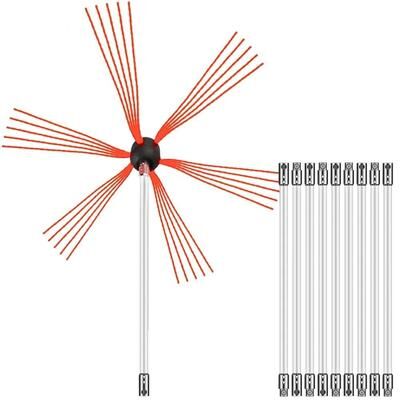
Multicon Wholesale Hub Chimney Sweep Kit Professional Chimney Cleaning Brush Set For Homeowners & Professionals Chimney Sweep Kit Professional Chimney Cleaning Brush Set For Homeowners & ProfessionalsLooking to keep your chimney clean and safe with minimal effort This 23FT(276in)approx Chimney Sweep Kit is your solution! Designed for both DIY homeowners and chimney maintenance professionals, this comprehensive cleaning kit offers a simple and...99,97 $*Shipping: 0,00 $Secure redirect to the provider
-
Tools, Home & Hobby 39 Ft Rotary Chimney Sweep Kit With Flexible Nylon Rods & 360 Chimney Cleaning Brush 39 Ft Rotary Chimney Sweep Kit With Flexible Nylon Rods & 360 Chimney Cleaning BrushKeep your fireplace performing at its best with this chimney sweep kit designed to make routine maintenance faster, safer, and more effective. Whether you're a homeowner, cabin owner, or DIY enthusiast, this rotary chimney cleaning kit removes...119,97 $*Shipping: 0,00 $Secure redirect to the provider
-
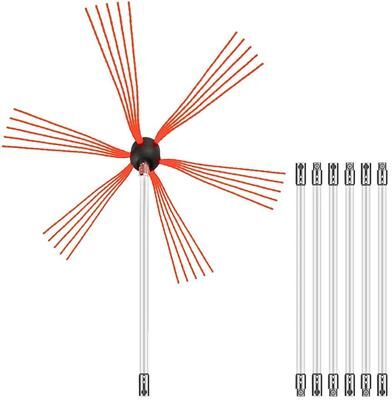
Tools, Home & Hobby 30 Ft Chimney Sweep Kit With Flexible Nylon Rods And 360 Chimney Cleaning Brush 30 Ft Chimney Sweep Kit With Flexible Nylon Rods And 360 Chimney Cleaning BrushExperience a cleaner, safer fireplace without the expense of frequent professional maintenance. This chimney cleaning brush kit is designed for homeowners who want an efficient way to remove soot and creosote while helping improve fireplace...119,97 $*Shipping: 0,00 $Secure redirect to the provider
-
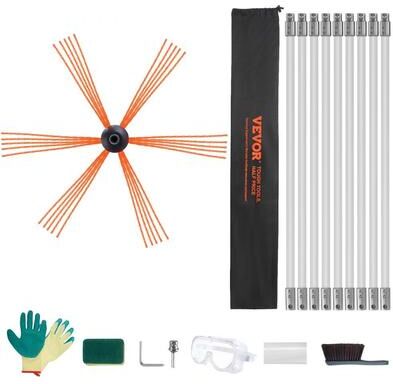
Tools, Home & Hobby 26FT Chimney Sweep Kit With Rotary Chimney Brush & Flexible Nylon Rods For Fireplace Cleaning 26FT Chimney Sweep Kit With Rotary Chimney Brush & Flexible Nylon Rods For Fireplace CleaningKeep your fireplace burning cleaner, safer, and more efficiently with this chimney sweep kit designed for hasslefree home maintenance. Whether you're a homeowner, cabin owner, or wood stove enthusiast, this chimney cleaning kit helps remove soot and...124,97 $*Shipping: 0,00 $Secure redirect to the provider


-
Imperfect or passé composé when?
The choice between imperfect and passé composé depends on the context and the specific action being described. The imperfect is used to describe ongoing or repeated actions in the past, while the passé composé is used for completed actions. If the action is a one-time event that happened in the past, the passé composé is more appropriate. However, if the action was ongoing or repeated, the imperfect should be used. **
-
What is the difference between the Participe Passé and the Passé Composé in French?
In French, the Participe Passé is a verb form used in compound tenses like the Passé Composé. The Passé Composé is a compound tense that consists of an auxiliary verb (either "avoir" or "être" conjugated in the present tense) followed by the past participle of the main verb. The Participe Passé is the past participle form of a verb, while the Passé Composé is a specific compound tense used to express completed actions in the past. **
-
What is the difference between the participe passé and the passé composé in French?
In French, the participe passé is a verb form used to form compound tenses like the passé composé. The participe passé is the past participle of a verb, while the passé composé is a compound tense formed by using the auxiliary verb "avoir" or "être" in the present tense followed by the past participle of the main verb. Essentially, the participe passé is a component of the passé composé, which is a complete verb form used to express actions that have been completed in the past. **
-
When is the passé composé agreed?
The passé composé is agreed in gender and number with the subject when the auxiliary verb is "être." This means that the past participle must agree with the subject in gender and number. However, when the auxiliary verb is "avoir," the past participle does not agree with the subject. **

When is the passé composé used?
The passé composé is used in French to express actions that were completed in the past. It is formed with the auxiliary verb "avoir" or "être" in the present tense, followed by the past participle of the main verb. This tense is commonly used to talk about specific actions or events that happened at a definite point in the past. It is also used to describe a series of completed actions or to talk about actions that have a direct impact on the present. **
What is the French Passé Composé?
The French Passé Composé is a compound past tense used to talk about completed actions in the past. It is formed by using a helping verb (either "avoir" or "être" conjugated in the present tense) followed by the past participle of the main verb. The choice between "avoir" and "être" as the helping verb depends on the main verb and whether it is transitive or intransitive. The Passé Composé is one of the most commonly used past tenses in French. **
Top-Angebote
Products related to Passé:
-
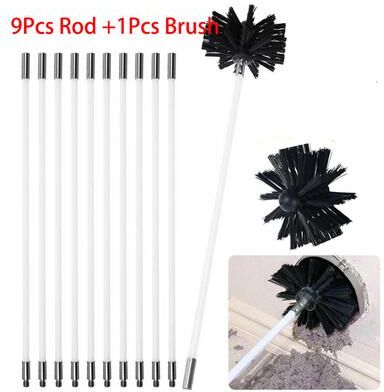
Tools, Home & Hobby Chimney Sweep Kit 30 Ft Chimney Cleaning Kit With Flexible Rods, Chimney Brush & Safety Goggles Chimney Sweep Kit 30 Ft Chimney Cleaning Kit With Flexible Rods, Chimney Brush & Safety GogglesExperience a cleaner, safer fireplace without the hassle or expense of professional cleaning. This chimney cleaning kit is designed for homeowners who want an efficient way to remove soot, creosote, and debris while helping improve fireplace...139,97 $*Shipping: 0,00 $Secure redirect to the provider
-
Tools, Home & Hobby Chimney Sweep Kit 33FT Flexible Chimney Cleaning Kit With Drill Powered Chimney Brush Chimney Sweep Kit 33FT Flexible Chimney Cleaning Kit With Drill Powered Chimney BrushA clean chimney means a safer, warmer home and greater peace of mind every time you light a fire. This chimney cleaning kit is designed for homeowners, wood stove users, and fireplace owners who want an easier way to remove soot and creosote buildup...149,97 $*Shipping: 0,00 $Secure redirect to the provider
-
Multicon Wholesale Hub Chimney Sweep Kit Professional Chimney Cleaning Brush Set For Homeowners & Professionals Chimney Sweep Kit Professional Chimney Cleaning Brush Set For Homeowners & ProfessionalsLooking to keep your chimney clean and safe with minimal effort This 23FT(276in)approx Chimney Sweep Kit is your solution! Designed for both DIY homeowners and chimney maintenance professionals, this comprehensive cleaning kit offers a simple and...99,97 $*Shipping: 0,00 $Secure redirect to the provider
-
Tools, Home & Hobby 39 Ft Rotary Chimney Sweep Kit With Flexible Nylon Rods & 360 Chimney Cleaning Brush 39 Ft Rotary Chimney Sweep Kit With Flexible Nylon Rods & 360 Chimney Cleaning BrushKeep your fireplace performing at its best with this chimney sweep kit designed to make routine maintenance faster, safer, and more effective. Whether you're a homeowner, cabin owner, or DIY enthusiast, this rotary chimney cleaning kit removes...119,97 $*Shipping: 0,00 $Secure redirect to the provider
-
Can one mix the passé composé and the passé simple in a story?
Yes, it is possible to mix the passé composé and the passé simple in a story. The passé composé is commonly used in spoken French and in modern literature to express actions that are completed in the past, while the passé simple is used in formal writing to narrate specific events or actions that occurred in the past. Mixing these two tenses can add complexity and depth to a story, creating a more dynamic and engaging narrative. However, it is important to use them appropriately to maintain coherence and clarity in the storytelling. **
-
Can you mix the passé composé and the passé simple in a story?
Yes, it is possible to mix the passé composé and the passé simple in a story. The passé composé is commonly used in spoken French to talk about completed actions in the past, while the passé simple is more commonly used in written French to narrate past events. Mixing these two tenses can add complexity and richness to a story, providing a balance between the immediacy of the passé composé and the narrative distance of the passé simple. This combination can create a dynamic and engaging storytelling style. **
-
Imperfect or passé composé when?
The choice between imperfect and passé composé depends on the context and the specific action being described. The imperfect is used to describe ongoing or repeated actions in the past, while the passé composé is used for completed actions. If the action is a one-time event that happened in the past, the passé composé is more appropriate. However, if the action was ongoing or repeated, the imperfect should be used. **
-
What is the difference between the Participe Passé and the Passé Composé in French?
In French, the Participe Passé is a verb form used in compound tenses like the Passé Composé. The Passé Composé is a compound tense that consists of an auxiliary verb (either "avoir" or "être" conjugated in the present tense) followed by the past participle of the main verb. The Participe Passé is the past participle form of a verb, while the Passé Composé is a specific compound tense used to express completed actions in the past. **
Similar search terms for Passé
-
Tools, Home & Hobby 30 Ft Chimney Sweep Kit With Flexible Nylon Rods And 360 Chimney Cleaning Brush 30 Ft Chimney Sweep Kit With Flexible Nylon Rods And 360 Chimney Cleaning BrushExperience a cleaner, safer fireplace without the expense of frequent professional maintenance. This chimney cleaning brush kit is designed for homeowners who want an efficient way to remove soot and creosote while helping improve fireplace...119,97 $*Shipping: 0,00 $Secure redirect to the provider
-
Tools, Home & Hobby 26FT Chimney Sweep Kit With Rotary Chimney Brush & Flexible Nylon Rods For Fireplace Cleaning 26FT Chimney Sweep Kit With Rotary Chimney Brush & Flexible Nylon Rods For Fireplace CleaningKeep your fireplace burning cleaner, safer, and more efficiently with this chimney sweep kit designed for hasslefree home maintenance. Whether you're a homeowner, cabin owner, or wood stove enthusiast, this chimney cleaning kit helps remove soot and...124,97 $*Shipping: 0,00 $Secure redirect to the provider
-
Perfect Picks Market Flexible Chimney Sweep Kit With Rotary Chimney Cleaning Brush & Flexible Rods For Fireplace Flue Cleaning 1 SetExperience the confidence of a cleaner, safer fireplace with a reliable tool built to tackle stubborn soot and creosote. This chimney cleaning brush kit is designed for homeowners who want an easy, effective way to maintain their chimney without...41,97 $*Shipping: 0,00 $Secure redirect to the provider
-
Tools, Home & Hobby Chimney Sweep Kit 30 Ft Extendable Chimney Brush With Dual Heads For Safe Fireplace Cleaning Chimney Sweep Kit 30 Ft Extendable Chimney Brush With Dual Heads For Safe Fireplace CleaningKeep your fireplace performing at its best with a reliable cleaning solution that helps create a safer, warmer home. This chimney sweep kit is designed for homeowners, cabin owners, and DIY users who want an easy way to remove soot and creosote...147,97 $*Shipping: 0,00 $Secure redirect to the provider
-
What is the difference between the participe passé and the passé composé in French?
In French, the participe passé is a verb form used to form compound tenses like the passé composé. The participe passé is the past participle of a verb, while the passé composé is a compound tense formed by using the auxiliary verb "avoir" or "être" in the present tense followed by the past participle of the main verb. Essentially, the participe passé is a component of the passé composé, which is a complete verb form used to express actions that have been completed in the past. **
-
When is the passé composé agreed?
The passé composé is agreed in gender and number with the subject when the auxiliary verb is "être." This means that the past participle must agree with the subject in gender and number. However, when the auxiliary verb is "avoir," the past participle does not agree with the subject. **
-
When is the passé composé used?
The passé composé is used in French to express actions that were completed in the past. It is formed with the auxiliary verb "avoir" or "être" in the present tense, followed by the past participle of the main verb. This tense is commonly used to talk about specific actions or events that happened at a definite point in the past. It is also used to describe a series of completed actions or to talk about actions that have a direct impact on the present. **
-
What is the French Passé Composé?
The French Passé Composé is a compound past tense used to talk about completed actions in the past. It is formed by using a helping verb (either "avoir" or "être" conjugated in the present tense) followed by the past participle of the main verb. The choice between "avoir" and "être" as the helping verb depends on the main verb and whether it is transitive or intransitive. The Passé Composé is one of the most commonly used past tenses in French. **
* All prices are inclusive of VAT and, if applicable, plus shipping costs. The offer information is based on the details provided by the respective shop and is updated through automated processes. Real-time updates do not occur, so deviations can occur in individual cases. ** Note: Parts of this content were created by AI.