Buy schornsteinfeger.info ?
We are moving the project
schornsteinfeger.info .
Are you interested in purchasing the domain
schornsteinfeger.info ?
domain@kv-gmbh.de · 0541-91531010
Buy schornsteinfeger.info ?
What is the difference between ser and estar?
The main difference between ser and estar in Spanish is that ser is used to talk about permanent or lasting attributes, such as characteristics, professions, and relationships, while estar is used to talk about temporary states or conditions, such as emotions, locations, and physical conditions. Ser is also used to indicate origin, nationality, and time, while estar is used to indicate position or location. It is important to remember that ser is more permanent and estar is more temporary in nature. **
Can someone maybe tell me what the structural difference between the tripeptides Ser-Ala-Asp and Asp-Ala-Ser is?
The structural difference between the tripeptides Ser-Ala-Asp and Asp-Ala-Ser lies in the order of the amino acids within the peptide chain. In Ser-Ala-Asp, the amino acids are arranged in the order of serine, alanine, and aspartic acid, while in Asp-Ala-Ser, the order is reversed with aspartic acid, alanine, and serine. This difference in sequence can lead to variations in the overall shape, charge distribution, and potential interactions of the tripeptides with other molecules or proteins. **


Similar search terms for Ser
Top-Angebote
Products related to Ser:


-
Can someone maybe tell me what the structural difference is between the tripeptides Ser-Ala-Asp and Asp-Ala-Ser?
The structural difference between the tripeptides Ser-Ala-Asp and Asp-Ala-Ser lies in the order of the amino acids within the peptide chain. In Ser-Ala-Asp, the amino acids are arranged in the order of serine (Ser), alanine (Ala), and aspartic acid (Asp), while in Asp-Ala-Ser, the order is reversed with aspartic acid (Asp) followed by alanine (Ala) and then serine (Ser). This difference in sequence can lead to variations in the overall structure and function of the peptide. **
-
What is the difference between estar and ser in Spanish?
In Spanish, "estar" is used to indicate temporary states or conditions, such as location, emotions, or physical conditions. On the other hand, "ser" is used to indicate permanent characteristics or essential qualities of a person or thing, such as identity, origin, or inherent traits. While both verbs are used to express the idea of "to be," it is important to choose the correct one based on whether the characteristic is temporary or permanent. **
-
Why are ser and ir often conjugated similarly in Spanish?
Ser and ir are often conjugated similarly in Spanish because they both belong to the same category of verbs known as "irregular verbs." These verbs do not follow the regular conjugation patterns of most other verbs in the language. Additionally, both ser and ir are highly common and essential verbs in Spanish, so their irregular conjugations are widely used and familiar to Spanish speakers. This similarity in conjugation also makes it easier for learners to remember and use these important verbs correctly. **
-
What is the difference between ser and estar in Spanish?
In Spanish, "ser" is used to express inherent characteristics or permanent states, such as nationality, profession, or physical descriptions. On the other hand, "estar" is used to express temporary states or conditions, such as emotions, locations, or physical conditions. While "ser" is used for essential or unchanging attributes, "estar" is used for more transient or changeable states. It's important to understand the distinction between the two verbs in order to accurately convey different aspects of being in Spanish. **

How can one differentiate between ser, estar, and hay in Spanish?
In Spanish, "ser" is used to indicate permanent characteristics or identity, while "estar" is used for temporary states or conditions. For example, "soy alto" (I am tall) uses "ser" because height is considered a permanent characteristic, while "estoy cansado" (I am tired) uses "estar" because tiredness is a temporary state. On the other hand, "hay" is used to indicate the existence of something or to say "there is/are" something. For example, "hay un perro en el parque" (there is a dog in the park). **
What is the difference between the Spanish verbs ser and estar?
The main difference between the Spanish verbs "ser" and "estar" is that "ser" is used to express inherent or permanent characteristics, such as identity, origin, and profession, while "estar" is used to express temporary states or conditions, such as location, emotions, and physical conditions. "Ser" is also used to indicate the time, date, and possession, while "estar" is used to indicate the location and ongoing actions. It's important to remember that using the correct verb can change the meaning of a sentence significantly. **
Top-Angebote
Products related to Ser:
-
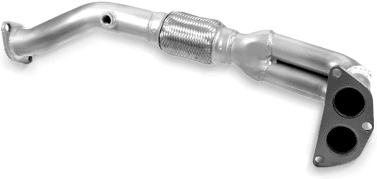
VEGAZ SER-26 Exhaust PipeFitting Position: Centre; Length [mm]: 950; Weight [kg]: 2,130; TecDoc Engine Number: 24937, 25659, 20516, 16463, 17036, 20517, 16231, 17467, 17640, 22667, 24000, 27355, 24217; Construction Year from: 05/2005; Vehicle Identification Number (VIN) from: 6L-4R000 001, 6L-4D000 001; Construction Year to: 04/2007, 06/2008, 05/2014, 05/2012; Vehicle Identification Number (VIN) to: 6L-087 30037,49 £*Shipping: 8,45 £Secure redirect to the provider
-
What is the difference between ser and estar?
The main difference between ser and estar in Spanish is that ser is used to talk about permanent or lasting attributes, such as characteristics, professions, and relationships, while estar is used to talk about temporary states or conditions, such as emotions, locations, and physical conditions. Ser is also used to indicate origin, nationality, and time, while estar is used to indicate position or location. It is important to remember that ser is more permanent and estar is more temporary in nature. **
-
Can someone maybe tell me what the structural difference between the tripeptides Ser-Ala-Asp and Asp-Ala-Ser is?
The structural difference between the tripeptides Ser-Ala-Asp and Asp-Ala-Ser lies in the order of the amino acids within the peptide chain. In Ser-Ala-Asp, the amino acids are arranged in the order of serine, alanine, and aspartic acid, while in Asp-Ala-Ser, the order is reversed with aspartic acid, alanine, and serine. This difference in sequence can lead to variations in the overall shape, charge distribution, and potential interactions of the tripeptides with other molecules or proteins. **
-
Can someone maybe tell me what the structural difference is between the tripeptides Ser-Ala-Asp and Asp-Ala-Ser?
The structural difference between the tripeptides Ser-Ala-Asp and Asp-Ala-Ser lies in the order of the amino acids within the peptide chain. In Ser-Ala-Asp, the amino acids are arranged in the order of serine (Ser), alanine (Ala), and aspartic acid (Asp), while in Asp-Ala-Ser, the order is reversed with aspartic acid (Asp) followed by alanine (Ala) and then serine (Ser). This difference in sequence can lead to variations in the overall structure and function of the peptide. **
-
What is the difference between estar and ser in Spanish?
In Spanish, "estar" is used to indicate temporary states or conditions, such as location, emotions, or physical conditions. On the other hand, "ser" is used to indicate permanent characteristics or essential qualities of a person or thing, such as identity, origin, or inherent traits. While both verbs are used to express the idea of "to be," it is important to choose the correct one based on whether the characteristic is temporary or permanent. **
Similar search terms for Ser
-
VEGAZ SER-24 Exhaust PipeFitting Position: Front; Catalytic Converter Type: for vehicles with catalytic converter; Construction Year from: 06/1995; Construction Year to: 07/1996; Engine Code: ABD; Vehicle Identification Number (VIN) from: 6K-Z-204127; Vehicle Identification Number (VIN) to: 6K-Z-782500168,99 £*Shipping: 1,99 £Secure redirect to the provider
-
Why are ser and ir often conjugated similarly in Spanish?
Ser and ir are often conjugated similarly in Spanish because they both belong to the same category of verbs known as "irregular verbs." These verbs do not follow the regular conjugation patterns of most other verbs in the language. Additionally, both ser and ir are highly common and essential verbs in Spanish, so their irregular conjugations are widely used and familiar to Spanish speakers. This similarity in conjugation also makes it easier for learners to remember and use these important verbs correctly. **
-
What is the difference between ser and estar in Spanish?
In Spanish, "ser" is used to express inherent characteristics or permanent states, such as nationality, profession, or physical descriptions. On the other hand, "estar" is used to express temporary states or conditions, such as emotions, locations, or physical conditions. While "ser" is used for essential or unchanging attributes, "estar" is used for more transient or changeable states. It's important to understand the distinction between the two verbs in order to accurately convey different aspects of being in Spanish. **
-
How can one differentiate between ser, estar, and hay in Spanish?
In Spanish, "ser" is used to indicate permanent characteristics or identity, while "estar" is used for temporary states or conditions. For example, "soy alto" (I am tall) uses "ser" because height is considered a permanent characteristic, while "estoy cansado" (I am tired) uses "estar" because tiredness is a temporary state. On the other hand, "hay" is used to indicate the existence of something or to say "there is/are" something. For example, "hay un perro en el parque" (there is a dog in the park). **
-
What is the difference between the Spanish verbs ser and estar?
The main difference between the Spanish verbs "ser" and "estar" is that "ser" is used to express inherent or permanent characteristics, such as identity, origin, and profession, while "estar" is used to express temporary states or conditions, such as location, emotions, and physical conditions. "Ser" is also used to indicate the time, date, and possession, while "estar" is used to indicate the location and ongoing actions. It's important to remember that using the correct verb can change the meaning of a sentence significantly. **
* All prices are inclusive of VAT and, if applicable, plus shipping costs. The offer information is based on the details provided by the respective shop and is updated through automated processes. Real-time updates do not occur, so deviations can occur in individual cases. ** Note: Parts of this content were created by AI.